
Chest Pain After a Car Accident: What Causes It and When to Seek Treatment
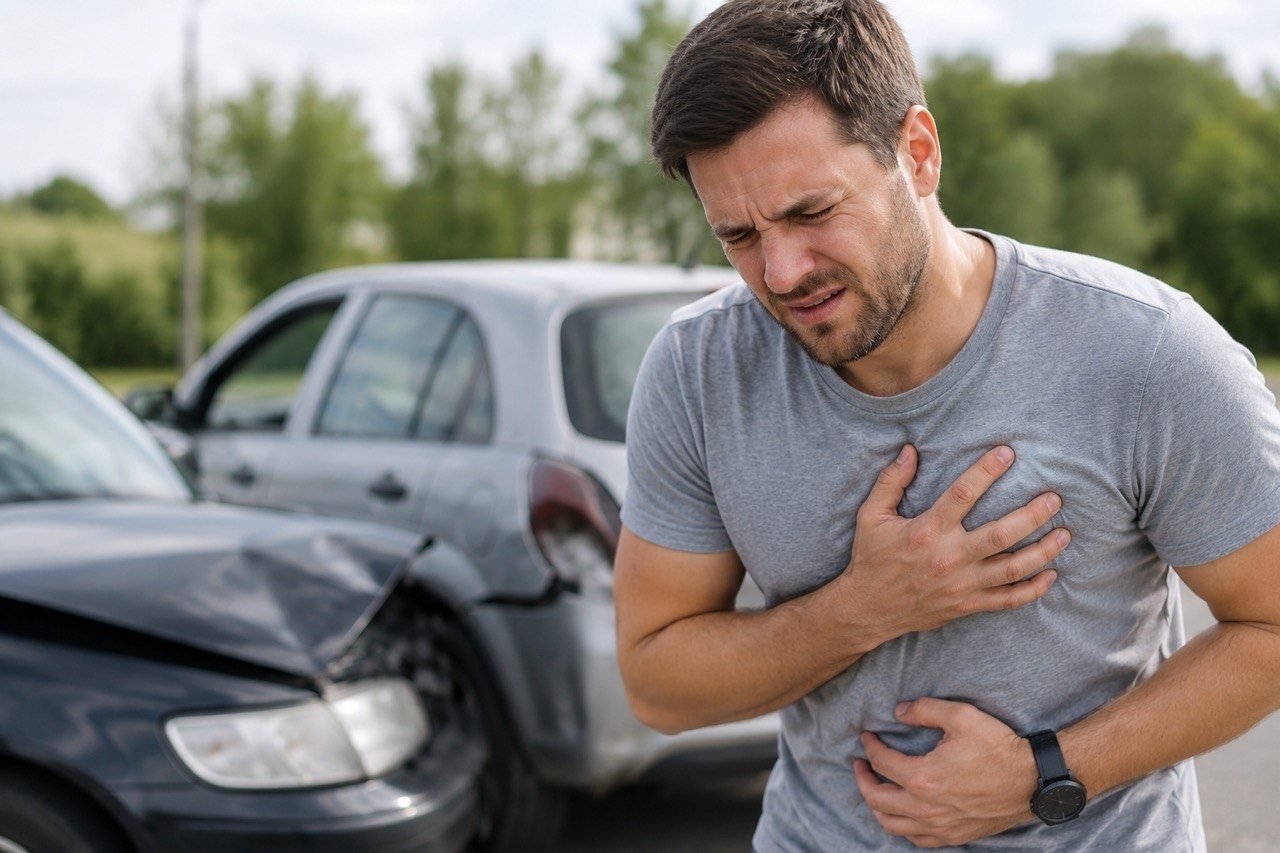
Chest pain is one of the most common symptoms reported after a motor vehicle accident.
(AI-generated image)
After a car accident, chest pain is a common symptom that should never be ignored. While some people notice pain immediately after the collision, others develop symptoms hours or even days later. Chest pain after car accident may range from mild soreness and bruising to injuries involving the ribs, sternum, muscles, or other chest structures.
Some symptoms after car accident, including delayed chest pain, do not appear right away. That is why even minor discomfort deserves attention, especially if it worsens or begins after you initially felt fine.
This article explains the most common causes of chest pain after a car accident, why symptoms may be delayed, when they may indicate a more serious injury, and when to seek medical attention.
Common Causes of Chest Pain After a Car Accident
Even when a driver or passenger is wearing a seat belt and all safety systems function properly, the body is still subjected to significant forces during a collision. A seat belt helps prevent more serious injuries, but it can also place considerable pressure on the chest. The same is true of an airbag, which deploys within a fraction of a second during a crash.
In some cases, chest pain may result from a direct impact with the steering wheel, door, or other parts of the vehicle. However, a direct blow is far from the only possible cause. Car accidents can also lead to muscle strains, soft tissue bruising, and inflammation in areas that absorb the greatest force of the collision.
Chest soreness may also be related to injuries involving the ribs or sternum. For some people, the pain becomes noticeable only during movement, coughing, or deep breathing. The type and intensity of pain often depend not only on the severity of the impact but also on how the body moved during the collision.
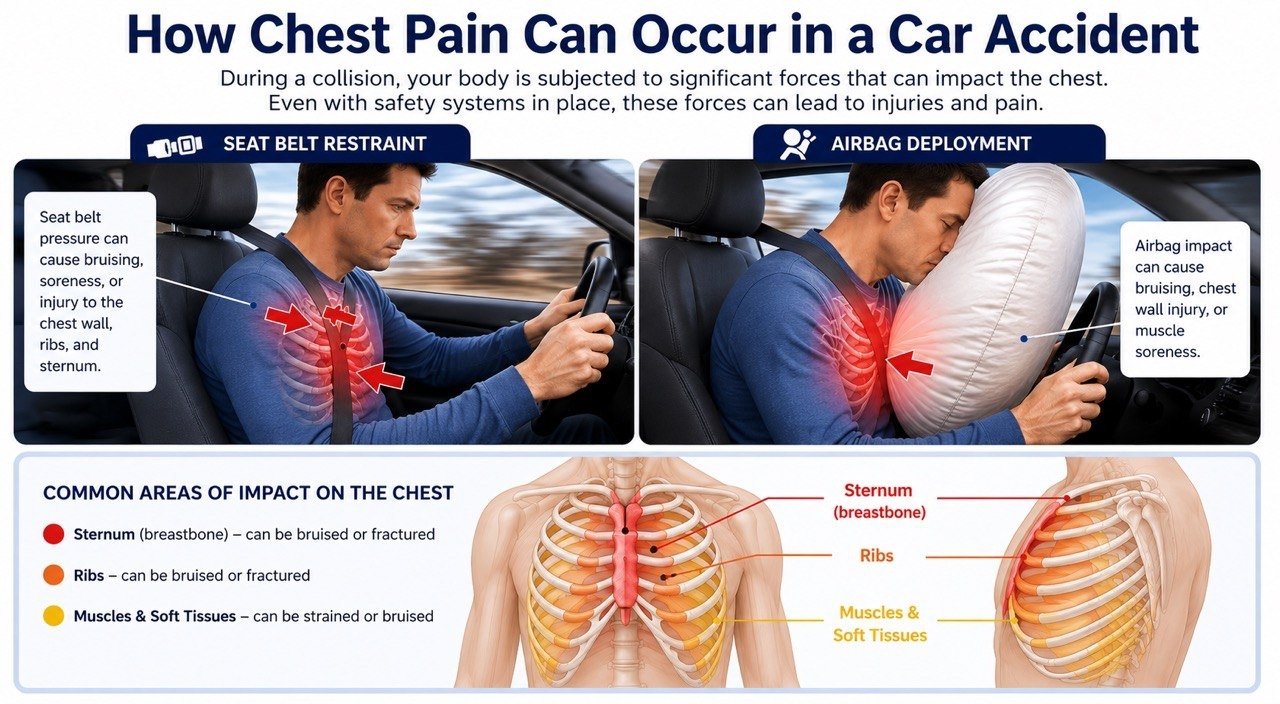
Common sources of chest trauma during a motor vehicle accident, including seat belt restraint and airbag deployment.
(AI-generated image)
Seat Belt and Airbag Injuries
Seat belts and airbags are designed to reduce the risk of serious injuries during a collision. However, both safety systems can also contribute to chest discomfort after a crash. During a sudden stop or impact, the seat belt restrains the body and absorbs a significant portion of the collision force, while the airbag deploys within a fraction of a second to cushion the impact.
As a result, some people experience seat belt injury chest pain, along with bruising, tenderness, and discomfort with movement. Others may experience chest pain after car accident airbag deployment, which can present as soreness, stiffness, or a feeling of pressure in the chest.
In many cases, these symptoms are caused by bruised soft tissues or strained chest muscles and gradually improve as healing progresses. However, if the pain persists, worsens over time, or interferes with daily activities, it is important to seek medical evaluation to rule out more serious injuries.
Bruised Chest After a Car Accident
A bruised chest after a car accident is one of the most common collision-related injuries. It may occur as a result of seat belt force, airbag deployment, or impact with parts of the vehicle interior.
Common symptoms include tenderness, localized swelling, skin discoloration, and pain that becomes more noticeable with movement, coughing, or deep breathing. In most cases, symptoms gradually improve as the injured tissues heal.
Rib Injuries
The ribs help protect the heart, lungs, and other organs within the chest cavity, which is why they are often subjected to significant force during a car accident. As a result, rib injuries may range from minor bruising to cracks or fractures of varying severity.
With rib pain after car accident, people often experience sharp or aching pain that becomes more noticeable during deep breathing, coughing, laughing, or changes in body position. Pain related to rib injuries frequently lasts longer than the discomfort associated with a simple soft tissue bruise.
Sternum Injuries
The sternum, or breastbone, is located in the center of the chest and connects the ribs. Because of its position, it can absorb a significant amount of force during a collision, particularly when a seat belt is involved.
Sternum pain after car accident is typically felt in the center of the chest and may worsen with upper body movement, coughing, or deep breathing. Depending on the severity of the injury, symptoms can range from mild tenderness to significant discomfort that requires medical evaluation.
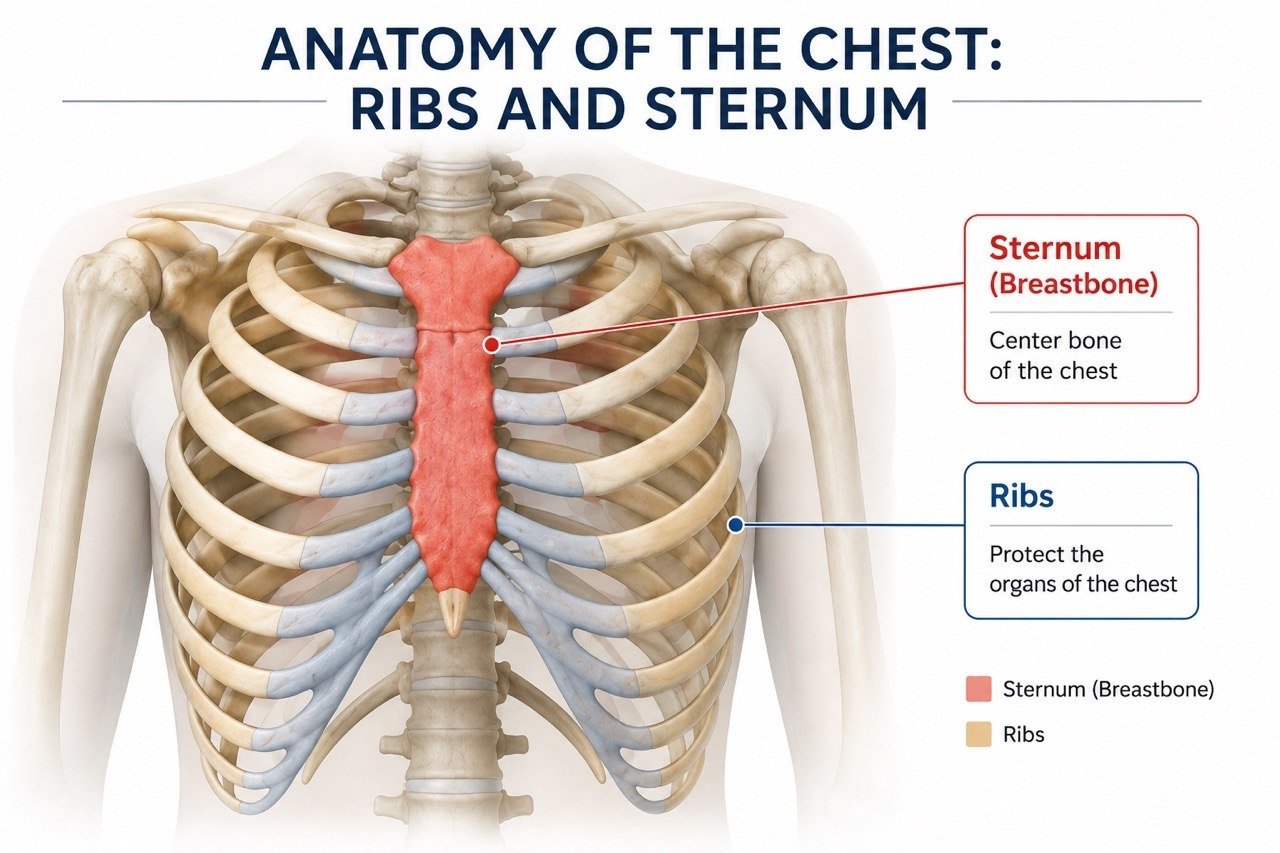
Rib and sternum structures commonly involved in chest injuries after a car accident.
(AI-generated image)
Muscle Strain and Soft Tissue Damage
Not all chest pain after a car accident is related to fractures or serious injuries. In many cases, the discomfort is caused by muscle strain, stretched ligaments, or soft tissue damage that occurs when the body is suddenly forced forward and backward during a collision.
These injuries can lead to stiffness, aching pain, tenderness with movement, and reduced mobility. Chest soreness after car accident is often associated with this type of soft tissue injury.
📞 Call Neo Surgical Group: (833) 863-6633 — Concerned About Chest Pain After a Car Accident?Delayed Chest Pain After a Car Accident
Many people are surprised when chest pain develops several days after a car accident, especially if they felt relatively normal during the first few hours after the collision. However, this is a fairly common situation and does not necessarily mean that the injury occurred later. In many cases, the injury was present from the beginning, but its symptoms did not become noticeable until some time had passed.
Why Chest Pain May Appear Days Later
Immediately after an accident, the body enters a state of stress. During this response, hormones such as adrenaline are released, helping a person react more quickly to danger. One effect of this response is a temporary reduction in pain perception. As a result, some symptoms may not become noticeable until the body's stress response begins to wear off.
Inflammation is another common reason why symptoms can be delayed. After tissues are injured, the body needs time to activate its natural healing processes. As inflammation develops, soreness, tenderness, stiffness, and other symptoms may gradually become more noticeable. Because of this, delayed chest pain after car accident can sometimes appear hours or even days after the crash.
Chest Pain 2 Weeks After a Car Accident
If chest pain persists or develops for the first time one or two weeks after a car accident, there is not always a reason to panic. Some chest injuries can continue to cause discomfort for an extended period, particularly after a person returns to their normal daily activities.
At the same time, chest pain 2 weeks after car accident should not automatically be considered a normal part of recovery. If symptoms last longer than expected, become more severe, or begin to interfere with everyday life, it may be a good idea to seek medical attention. In some cases, ongoing discomfort may be related to injuries that were not identified immediately after the accident.
When Delayed Symptoms Become a Concern
Delayed chest pain deserves closer attention when it is accompanied by other concerning symptoms, including:
- worsening chest pain;
- shortness of breath or difficulty breathing;
- pain with every deep breath;
- dizziness or weakness;
- significant tenderness around the ribs or sternum;
- symptoms that are not improving or continue to get worse.
In some cases, hidden injuries after car accident become more noticeable as the body continues to recover from the collision.
📞 Call (833) 863-6633 — Book a Same-Day Appointment at Neo Surgical GroupChest Pain After a Seat Belt or Airbag Deployment
Seat belts and airbags play a critical role in reducing the risk of severe injuries during a car accident. However, the force generated by these safety systems can sometimes lead to chest soreness and discomfort that may persist for a period of time after the collision.
If pain develops along the path of the seat belt or shortly after airbag deployment, this is a fairly common response. Chest pain after seat belt injury may feel like tenderness to the touch, bruising, or discomfort with movement. In cases of chest pain after car accident airbag deployment, people often report soreness in the front of the chest, stiffness, or discomfort when taking a deep breath.
How long the pain lasts depends on the nature and severity of the injury. With bruising and soft tissue irritation, symptoms often improve gradually over the course of several days or weeks. However, if the discomfort persists, worsens, or begins to interfere with daily activities, it is important to seek medical evaluation to rule out more serious chest injuries.
📞 Call (833) 863-6633 — Get Checked After an AccidentHow to Treat Chest Pain After a Car Accident
Treatment for chest pain after a car accident depends on the underlying cause of the symptoms and the severity of the injury. While minor bruises and soft tissue injuries may gradually improve on their own, more serious conditions may require medical monitoring and additional treatment.
Common recommendations following a chest injury include:
- getting adequate rest and allowing time for recovery;
- temporarily limiting activities that make the pain worse;
- applying cold compresses to help reduce pain and swelling;
- using pain-relieving medications as directed by a healthcare provider;
- monitoring symptoms during the days and weeks following the accident.
For some patients, recovery may also include a Pain Management program. These services focus on evaluating and treating pain after an injury using a variety of non-surgical approaches. Learn more about Pain Management services offered by Neo Surgical Group.
Can Chest Pain After a Car Accident Be Serious?
Chest pain after a car accident is often related to bruising or soft tissue injuries. However, in some cases, it may indicate a more serious condition involving the chest, lungs, or other structures affected by the collision.
Rib fractures and sternum fractures are among the more significant injuries that can occur after a crash and are often associated with substantial discomfort and a longer recovery period.
Research involving more than 5,000 hospitalized patients with chest trauma found that rib fractures were present in over 70% of cases, and more than half of the patients had additional associated injuries. Although not every car accident causes this level of trauma, the findings highlight how significant chest injuries can be after a high-impact collision.
More serious chest injury after car accident cases may involve internal injuries affecting structures within the chest cavity. Some of these injuries are not immediately obvious and may only be identified during a medical evaluation.
A significant impact to the chest can also result in lung injuries or, in rare cases, heart-related trauma. For this reason, worsening pain, breathing difficulties, or other concerning symptoms should not be ignored.
📞 Call (833) 863-6633 to Schedule a Medical EvaluationChest Pain When Breathing After an Accident
Chest pain when breathing after accident can be especially concerning. For many people, it becomes one of the most noticeable symptoms in the days following a collision, particularly when the discomfort worsens with deep breathing, coughing, or sneezing.
There are several possible reasons why chest pain when breathing after accident may occur. In some cases, the pain is related to chest bruising, muscle injuries, or inflammation of the soft tissues. Discomfort can also result from injuries to the ribs or sternum, since these structures are constantly involved in the breathing process.
Sometimes the pain is only noticeable during a deep breath and is minimal or absent at rest. While this does not always indicate a serious injury, it should not be ignored, especially if the symptoms persist or become more severe over time.
Particular attention is warranted when pain while breathing is accompanied by other symptoms, such as:
- shortness of breath or difficulty breathing;
- worsening chest pain;
- dizziness or significant weakness;
- pain that interferes with normal breathing;
- symptoms that are not improving or continue to worsen.
The significance of this symptom depends on the circumstances of the accident and the presence of other complaints, so it should always be considered within the context of a person's overall condition.
When Should You See a Doctor?
When should you see a doctor after a car accident? While mild soreness may gradually improve as the body heals, certain symptoms should not be ignored. It may be a good idea to seek medical attention if you experience:
- chest pain that does not improve over time;
- discomfort or pain when breathing;
- symptoms that interfere with normal daily activities;
- any changes in your condition that cause concern following an accident.
For patients who need an evaluation after a car accident, Neo Surgical Group offers appointments at multiple locations throughout Florida, with same-day appointments often available. Before your visit, you can also review information about required documents and how to prepare for your appointment on the What to Bring for Your Initial Visit page.
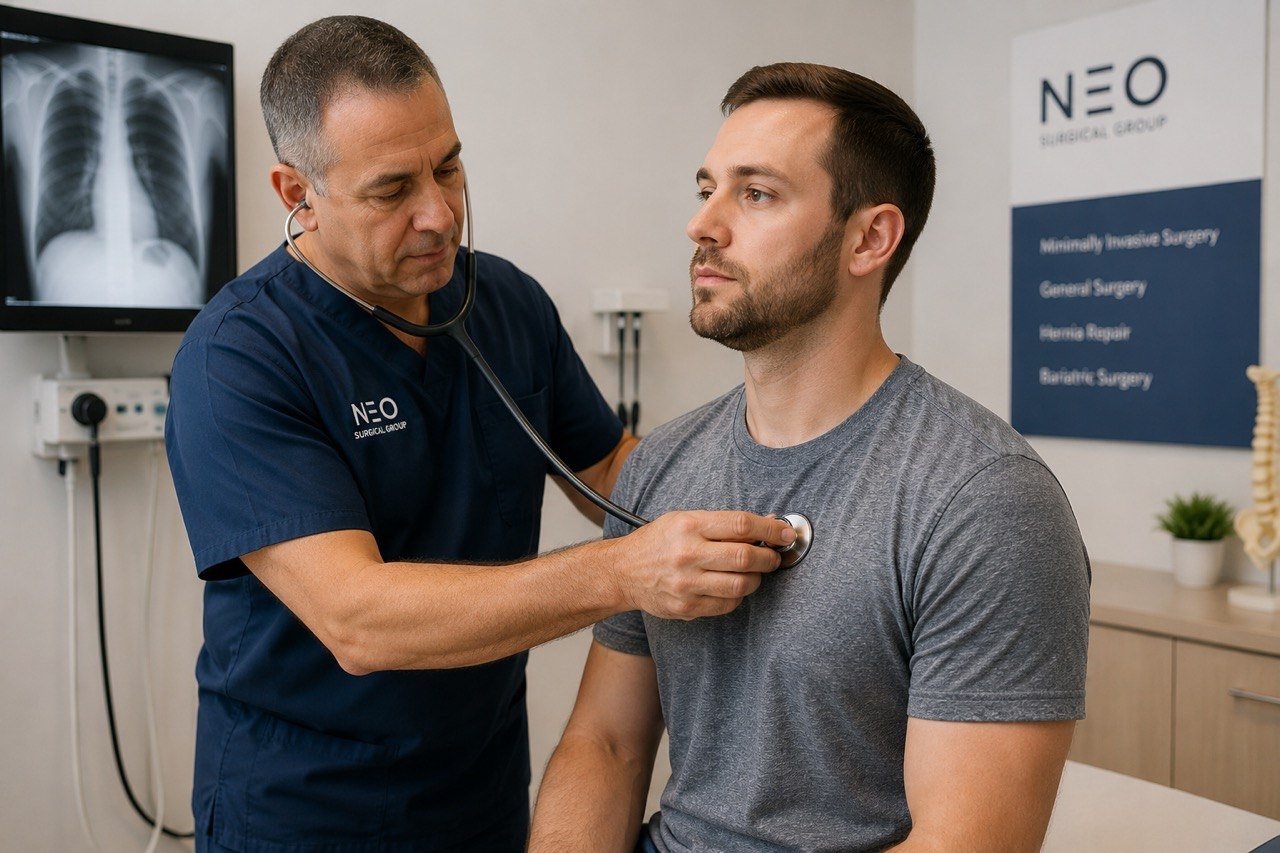
Physical examination is the first step in evaluating chest pain after a car accident and determining whether additional diagnostic tests are needed.
(AI-generated image)
How Chest Injuries Are Diagnosed
If chest pain persists after a car accident, a doctor may recommend one or more diagnostic tests. The specific evaluation will depend on the symptoms, the circumstances of the collision, and the nature of the suspected injury.
The process typically begins with a physical examination. During the exam, the doctor may assess areas of tenderness, check for swelling, evaluate range of motion, and look for other signs of chest trauma. If additional information is needed, various forms of diagnostic imaging may be used to help identify the cause of the symptoms.
Not every patient requires the same testing. In some cases, a physical examination and review of symptoms provide enough information, while in others, additional imaging studies may be necessary to obtain a more complete picture of the injury.
| Diagnostic Method | What It May Help Evaluate |
|---|---|
| Physical Examination | Pain location, tenderness, swelling, range of motion |
| X-rays | Certain fractures and chest injuries |
| CT Scans | Detailed images of bones, organs, and chest structures |
| MRI | Soft tissues and specific types of injuries |
| Diagnostic Imaging | General term for imaging tests used after trauma |
Recovery After a Chest Injury
Recovery time after a chest injury depends on the nature and severity of the damage. Minor bruises often heal relatively quickly, while more serious injuries may require a longer recovery period.
During recovery, it is generally recommended to increase activity levels gradually rather than attempting to return to normal routines too quickly. Paying attention to how your body responds to physical activity can help prevent unnecessary strain on tissues that are still healing.
Depending on the type of injury and the severity of the symptoms, a doctor may recommend various conservative treatment methods. These approaches are designed to reduce pain, improve mobility, and support the healing process without surgery.
FAQ
Yes. In some people, symptoms do not become noticeable immediately after a collision. Chest pain that develops days or even weeks later may be related to the healing process or injuries that initially caused little or no discomfort.
Yes. During recovery, the intensity of chest pain may fluctuate. Some people notice that discomfort becomes more noticeable with certain movements or physical activity and then improves while resting.
It is generally better to return to physical activity gradually. If exercise or other strenuous movements increase your pain, your body may need additional time to heal before resuming normal activity levels.
Coughing and sneezing place additional stress on the muscles, ribs, and other structures of the chest. As a result, pain may become more noticeable during these movements.
Yes. Some people experience discomfort when changing positions in bed or when sleeping on their side. As a result, chest pain can interfere with restful sleep and make it more difficult to get comfortable at night.
Symptoms sometimes become more noticeable after returning to work, exercise, or other daily activities. This can happen because healing tissues are exposed to additional stress as activity levels increase. If the pain continues to worsen or does not improve over time, it is a good idea to consult a healthcare provider for further evaluation.
Even a relatively minor collision can cause chest pain. Sudden body movement, seat belt force, or airbag deployment may result in soreness and other symptoms regardless of the severity of the accident.
It is helpful to bring information about the accident, a list of your current symptoms, the results of any previous tests or imaging studies, and any medical records related to treatment you have received since the collision.
Ignoring chest pain after a car accident may delay the diagnosis of injuries that require treatment. While many cases are caused by bruising or soft tissue damage, persistent or worsening pain may sometimes indicate a more serious injury. If your symptoms do not improve or become more severe, it is important to seek medical evaluation.
Bibliography
- https://www.mayoclinic.org/diseases-conditions/broken-ribs/symptoms-causes/syc-20350763
- https://www.mayoclinic.org/medical-professionals/trauma/news/care-options-for-patients-with-rib-fracture/mac-20578996
- https://my.clevelandclinic.org/health/diseases/23994-flail-chest
- https://pubmed.ncbi.nlm.nih.gov/34058613/
- https://www.ribinjuryclinic.com/conditions/sternal-injury/
- https://www.ncbi.nlm.nih.gov/books/NBK534843/