
Tinnitus After a Car Accident: Causes, Symptoms & Treatment

After a car accident, some people notice ringing, buzzing, or humming in their ears that they did not experience before. This condition, known as tinnitus, may be associated with head and neck injuries, exposure to loud noise from airbag deployment, or other injuries sustained during the collision.
Symptoms may begin immediately or become noticeable days later, particularly when mild ringing is easier to hear in a quiet environment. Identifying the possible cause is important, especially if the symptom persists, worsens, or is accompanied by other symptoms. A medical evaluation can help determine whether additional testing is needed and what treatment options may be appropriate.
What Is Tinnitus?
Tinnitus is the perception of sound without an external source. A person may hear ringing, humming, buzzing, hissing, or whistling sounds that others cannot hear. The noise may be heard in one or both ears or sometimes perceived as coming from inside the head.
Tinnitus can be constant or intermittent. For some people, it is barely noticeable, while for others, it can interfere with concentration, relaxation, or sleep. Rather than being a disease itself, tinnitus is a symptom that can occur due to various conditions affecting the auditory system or other parts of the body.
What Causes Ringing in the Ears After a Car Accident?
Several factors may contribute to tinnitus following a collision. In some cases, the symptom is linked to damage to the auditory system, while in others, it may be associated with injuries to the head, neck, or jaw. The circumstances of the accident and any accompanying symptoms can help doctors identify the underlying cause.
Whiplash and Neck Injuries
During sudden acceleration or braking, the head may jerk sharply forward and backward, causing a whiplash injury. In some cases, these injuries are associated with tinnitus due to changes in how sensory signals from the neck muscles and joints interact with the structures involved in sound processing.
Head or neck movements may also change the perceived loudness of the ringing. However, whiplash does not always cause tinnitus, and additional evaluation may be needed to understand the connection.
Concussion and Traumatic Brain Injury (TBI)
Concussions and other traumatic brain injuries can affect how auditory signals are processed. As a result, tinnitus after a head injury may be accompanied by headaches, dizziness, or balance problems.
A concussion can occur even without a direct blow to the head, such as during sudden acceleration or deceleration in a collision. However, ringing in the ears is not a universal symptom of concussion and cannot, on its own, confirm a traumatic brain injury.
Airbag Deployment and Loud Noise
Airbag deployment produces a sudden, loud noise that, under certain circumstances, can cause acoustic trauma. Exposure affecting the inner ear may lead to ringing in the ears, as well as temporary or permanent hearing loss.
These symptoms can occur even without a direct head injury. If tinnitus develops alongside sudden hearing loss, urgent medical evaluation is necessary because timely treatment may affect hearing recovery.
Direct Ear and Jaw Injuries
A direct impact during an accident can damage structures of the ear and cause ringing, pain, or a feeling of pressure. Jaw injuries, including problems affecting the temporomandibular joint (TMJ), may also be associated with the onset of tinnitus or changes in how it is perceived.
However, ear pain does not always occur alongside tinnitus, and ringing does not necessarily indicate damage to the ear or jaw. A medical examination can help distinguish between possible causes.
What Other Symptoms Can Occur With Tinnitus?
Depending on the nature of the injury, tinnitus may occur alongside other symptoms:
- Hearing loss – sounds become quieter or harder to distinguish.
- Muffled hearing – surrounding sounds may seem unclear or distant.
- Dizziness and balance problems – a spinning sensation, unsteadiness while walking, or difficulty with coordination.
- Headaches – may occur with head or neck injuries.
- Neck pain – stiffness, soreness, or limited range of motion.
- Ear discomfort – pain, pressure, or a feeling of fullness in the ear.
- Difficulty sleeping – persistent ringing may interfere with falling asleep and getting adequate rest.
These symptoms do not necessarily share the same cause. For example, hearing loss may reflect damage to the auditory system, while headaches and neck pain can result from other injuries sustained during the collision.
When Should You See a Doctor for Ringing in Your Ears?
If ringing persists, worsens, or interferes with daily life, schedule a medical consultation. An evaluation is also important when tinnitus affects only one ear or follows the rhythm of your heartbeat, even if you otherwise feel well.
Certain symptoms require more urgent attention:
- Sudden hearing loss – requires urgent medical evaluation, even without other symptoms, because timely treatment may affect hearing recovery.
- Confusion, seizures, or loss of consciousness – require immediate emergency medical care.
- Difficulty speaking, new severe weakness, or loss of coordination – require emergency medical attention.
- A severe, worsening headache or repeated vomiting after a head injury – may indicate a dangerous condition and require emergency evaluation.
If you experience signs of a medical emergency after a car accident, call 911 or seek emergency medical care immediately.
Experiencing Ringing in Your Ears After a Car Accident?
If your symptoms are not an emergency but continue to affect your daily life, NEO Surgical Group can evaluate possible accident-related injuries and help determine whether additional testing or specialist care may be appropriate.
Call Now (833) 863-6633How Do Doctors Evaluate Tinnitus After a Car Accident?
Evaluation begins with a review of the patient's medical history and the circumstances of the accident. The doctor will ask when the ringing started, how often it occurs, whether its intensity changes, and whether similar symptoms were present before the collision. Any potential injuries and changes in hearing are also considered.
Depending on the symptoms, the evaluation may include:
- Physical examination – an assessment of the ears, head, and neck to identify possible injury-related problems.
- Hearing tests – tests to determine whether hearing loss is present and assess its characteristics.
- Audiological assessment – a more detailed evaluation of hearing function and tinnitus-related concerns.
- ENT specialist evaluation – may be recommended if damage to ear structures or other conditions affecting the auditory system are suspected.
- Neurological examination – may be performed when there are signs of a possible brain injury or other neurological problems. Learn more about potential head injury symptoms in our article Concussion Symptoms After a Car Accident.
CT or MRI scans may be ordered when medically indicated, such as when structural damage is suspected after an injury or certain warning signs are present. These imaging tests are not necessary for every patient with tinnitus.
The findings help guide further testing, referrals, and treatment decisions.
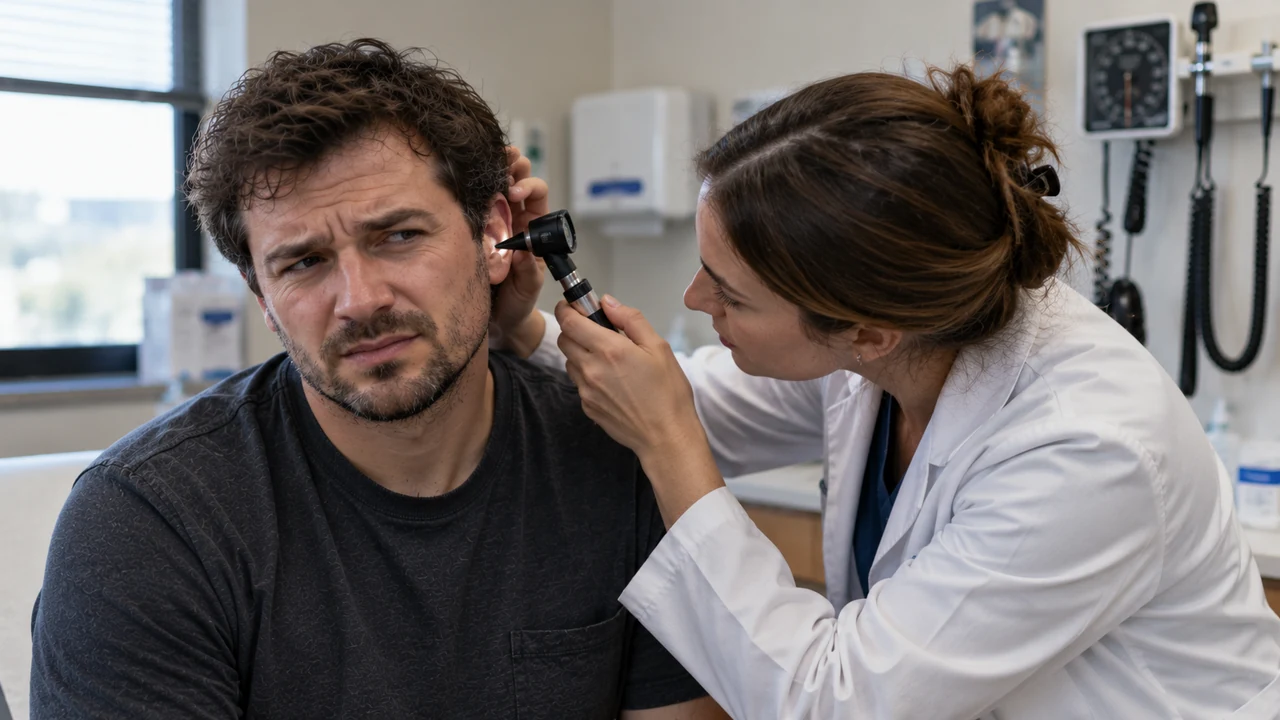
Identifying the underlying cause of tinnitus is essential for determining appropriate treatment options. Source: AI-generated image
How Is Tinnitus After a Car Accident Treated?
Treatment depends on the underlying cause, the patient's hearing condition, and how much the ringing affects daily life. If an injury or another treatable medical condition is identified, the doctor may recommend appropriate care. However, treating the underlying problem does not always eliminate tinnitus completely.
Depending on the diagnostic findings, treatment options may include:
- Treating the underlying cause – medical care for ear injuries or other conditions associated with tinnitus.
- Hearing aids – may benefit patients with hearing loss by improving their ability to hear surrounding sounds and sometimes making tinnitus less noticeable.
- Sound therapy – uses background sounds to help reduce the perception of ringing, particularly in quiet environments.
- Cognitive behavioral therapy (CBT) – helps patients manage stress, anxiety, and sleep disturbances associated with persistent tinnitus, but does not eliminate the sound itself.
Treatment is individualized and may combine several approaches to reduce the impact of symptoms and improve quality of life.
Getting Evaluated After a Car Accident
NEO Surgical Group provides medical evaluations for patients with possible accident-related injuries. Our specialists can assess associated symptoms, such as headaches, dizziness, or neck pain, and determine whether additional diagnostic testing or referral to an ENT specialist or audiologist may be appropriate.
Call Now (833) 863-6633FAQ
Yes. Loud noise from airbag deployment and neck injuries may contribute to tinnitus even without a direct blow to the head. The cause depends on the circumstances of the collision and the patient's symptoms.
Yes, ringing may gradually decrease or disappear without specific treatment. However, recovery is unpredictable, and persistent or worsening symptoms should be assessed by a healthcare professional.
A primary care physician can provide an initial assessment and refer you to an ENT specialist or audiologist when appropriate. If tinnitus occurs alongside signs of a head or neck injury, further evaluation by another specialist may also be necessary.
Schedule Your Post-Accident Evaluation
Experiencing persistent ringing or buzzing in your ears after a car accident? These symptoms may be associated with head or neck injuries that require medical attention.
At NEO Surgical Group, our specialists can evaluate possible accident-related injuries and help determine whether additional testing or referral to an appropriate specialist is needed.
Call Now (833) 863-6633Bibliography
- https://www.nidcd.nih.gov/health/tinnitus
- https://www.nidcd.nih.gov/health/sudden-deafness
- https://www.cdc.gov/traumatic-brain-injury/signs-symptoms/index.html
- https://www.healthquality.va.gov/guidelines/CD/tinnitus/
- https://pubmed.ncbi.nlm.nih.gov/28553764/
- https://pubmed.ncbi.nlm.nih.gov/19134996/
- https://pubmed.ncbi.nlm.nih.gov/10504589/